For property owners, few things trigger more anxiety than the sound of a gurgling drain or the sight of a damp patch in the backyard. Traditionally, a cracked or root-infested sewer line meant one thing: heavy machinery, deep trenches, and a massive restoration bill. However, modern plumbing technology has introduced a far less invasive alternative that is rapidly becoming the gold standard in Australian infrastructure maintenance.
The Shift From Excavation to Innovation
The fundamental difference between traditional methods and modern solutions lies in the approach to access. Traditional pipe replacement is a ‘destructive’ process; it requires physical access to the entire length of the damaged conduit. This often involves ripping up manicured lawns, concrete driveways, or expensive tiling.
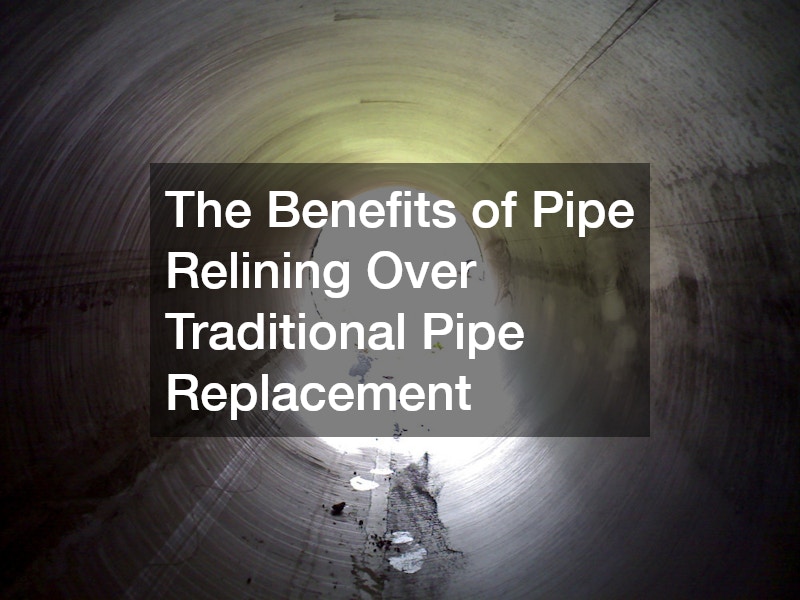
In contrast, pipe relining is a ‘trenchless’ technology. Instead of digging up the earth, technicians use existing access points—such as an inspection opening or a boundary shaft—to repair the pipe from the inside out. By inserting a seamless, epoxy-impregnated liner into the old pipe, plumbers create a ‘pipe within a pipe’ that is often stronger than the original structure.
Minimal Disruption to Property and Lifestyle
One of the most significant advantages of trenchless technology is the preservation of the surface environment. In suburban Australian settings, where homes are built close together and landscaping represents a significant financial investment, the ‘no-dig’ approach is invaluable.
When you opt for traditional replacement, the plumbing work is only the first half of the cost. Once the pipes are laid and the trench is backfilled, property owners are left with the task of hiring landscapers, pavers, or tilers to restore the site. With a relined solution, the surface remains untouched. This not only saves money but also prevents the logistical headache of coordinate multiple trades over several weeks.
Superior Durability and Flow Characteristics
It is a common misconception that a liner is a ‘quick fix’ or a temporary patch. In reality, the epoxy resins used in the process are engineered to last for decades. Once the liner is inserted and cured—often using hot water or UV light—it forms a structural shell that is impervious to the most common cause of pipe failure: tree root intrusion.
Traditional earthenware or PVC pipes have joints every few metres. These joints are natural weak points where roots can enter as they seek moisture. Because a relined pipe is a single, continuous sleeve with no joints, it effectively seals off the system from the surrounding environment. Furthermore, the smooth internal surface of the resin often improves hydraulic flow, reducing the likelihood of future blockages caused by debris build-up.
Cost-Effectiveness Over the Long Term
While the upfront quote for pipe relining may sometimes appear higher than a simple spot repair, the total project cost is almost always lower. To get an accurate comparison, a property owner must factor in:
- The cost of heavy machinery hire (excavators and operators).
- Labor hours for manual digging and backfilling.
- Disposal fees for old concrete and soil.
- The cost of replacing surface finishes (turf, plants, pavers, or bitumen).
When these hidden costs are aggregated, the trenchless method emerges as the more economical choice. Additionally, the speed of the process reduces labour costs significantly. Most relining projects are completed within a single day, whereas a major excavation can leave a property looking like a construction site for a week or more.
Environmental Responsibility
In an era where sustainable building practices are increasingly prioritised, trenchless repairs offer a greener alternative. Traditional excavation is carbon-intensive; it involves heavy diesel machinery and the transport of waste material to landfills. It also disrupts the local soil biology and can damage the root systems of protected or established trees.
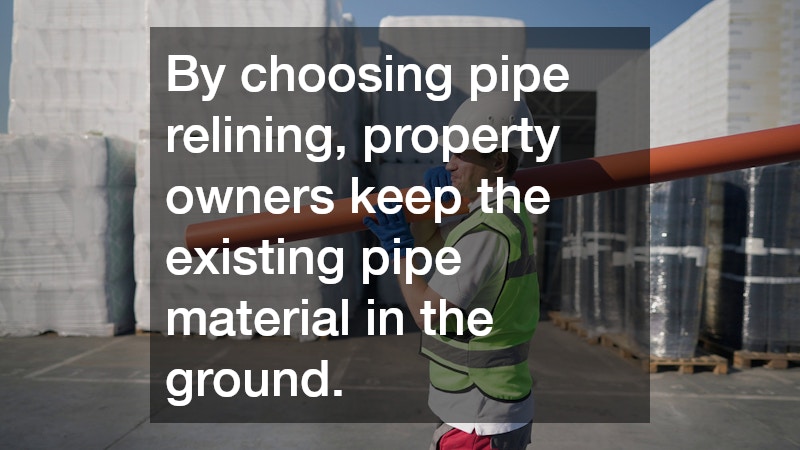
By choosing pipe relining, property owners keep the existing pipe material in the ground, effectively repurposing it as a host for the new liner. This reduces the demand for new raw materials and eliminates the environmental footprint associated with large-scale earthmoving. It is a cleaner, quieter, and more efficient way to manage urban water infrastructure without the ecological ‘hangover’ of traditional plumbing.
The evolution of plumbing technology has turned what used to be a property nightmare into a manageable, one-day task. While traditional replacement will always have a place in instances where a pipe has completely collapsed or lost its structural integrity, it is no longer the default solution.
By prioritising structural integrity, cost-efficiency, and minimal disruption, trenchless technology provides a sophisticated answer to Australia’s aging drainage networks. For the savvy homeowner or strata manager, the choice is clear: why dig up the past when you can reinforce the future from the inside?